China+1 Apparel Sourcing and Fabric Development: Why the Factory Moved but the Fabric Didn't
June 26, 2026
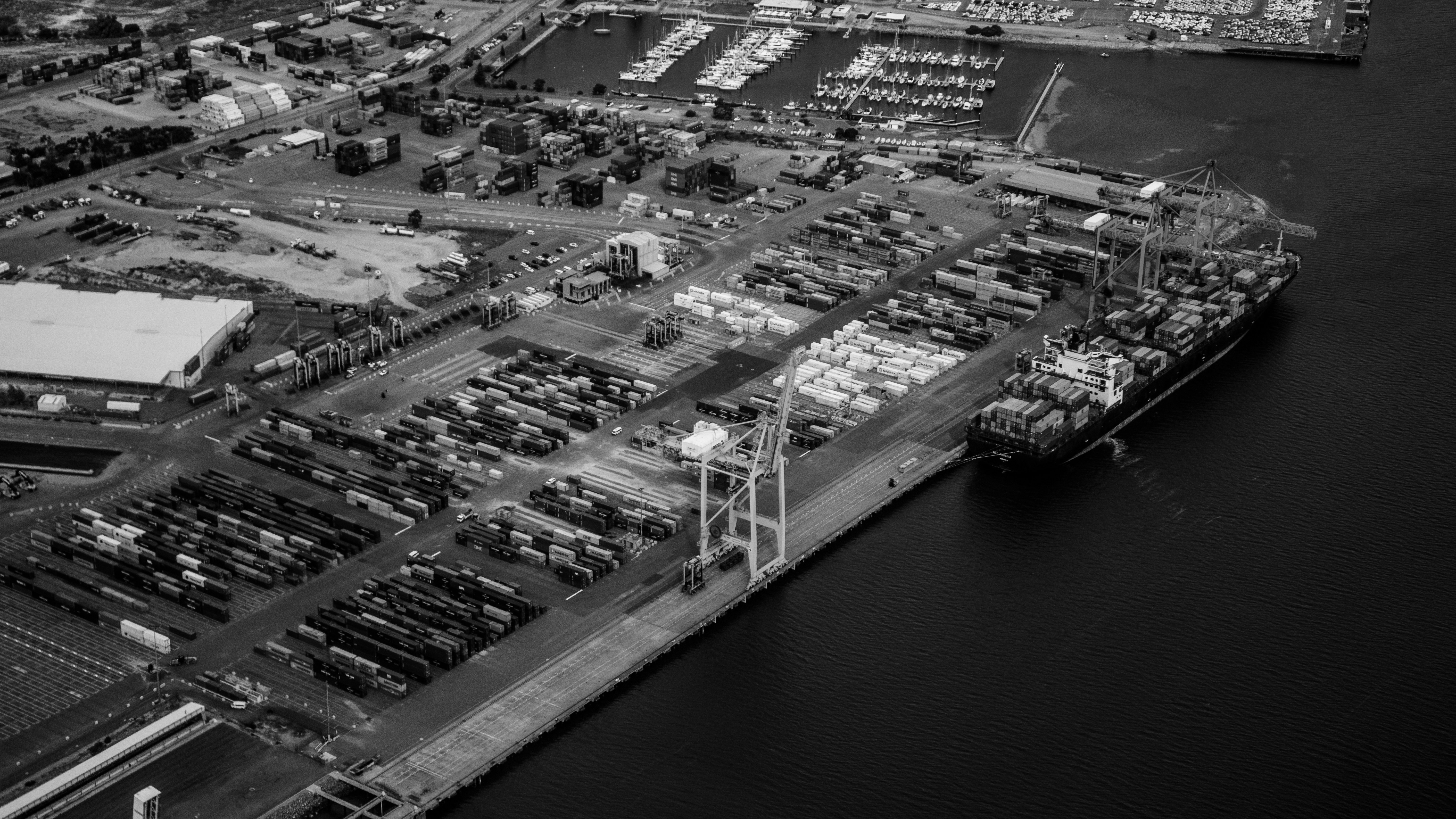
In early 2026, Bangladesh overtook China as the largest source of apparel exports to the United States. It was the first time that had happened, and it happened fast, within about 90 days. For brand sourcing teams, it looked like confirmation that the China+1 strategy was working.
But there's a more interesting question sitting underneath that headline. Where did the fabric come from?
The garment moved. The fabric did not.
According to the USFIA 2025 Fashion Industry Benchmarking Study, 83% of U.S. fashion companies still source fabrics from China, even as they cut finished garment sourcing from the same origin. Vietnam, Bangladesh, and Cambodia are absorbing assembly work, but fabric supply in those countries hasn't kept pace. OECD trade data puts it plainly: roughly 27% of Vietnam's textile and apparel export value originates from Chinese inputs.
That's not a rounding error. A significant portion of what ships out as "Made in Vietnam" is, at the raw material level, still tied to Chinese production.
The reason fabric moves slower than garments is straightforward. Yarn spinning, knitting, dyeing, and finishing are capital-intensive processes. Building that infrastructure takes years, not seasons. A brand can move its cut-and-sew operation to a new country in a couple of sourcing cycles. A textile supply chain doesn't work that way.
The relationship with Chinese fabric suppliers changed, even when the supplier didn't
For brands that have moved garment production overseas, working with a Chinese fabric mill now looks different than it did five years ago.
When everything happened in the same city, the workflow was simple enough: order fabric, send it down the road, sew, ship. That proximity is gone for most brands now. The fabric still comes from China, but it needs to reach factories in Vietnam, Bangladesh, or Sri Lanka. Coordinating across that distance takes more than a good price per meter.
What brands are actually looking for from a fabric supplier right now:
- Samples that can be iterated on without someone flying across continents
- Development support for factories that aren't already familiar with a specific construction or fiber
- Flexible minimums, because brands are spreading production across more countries and more SKUs than before
- Origin and traceability documentation that holds up under compliance review
Most brands are also trimming their supplier lists as part of broader supply chain consolidation. The suppliers that stay are the ones that can handle this kind of working relationship. Price matters, but it's no longer the deciding factor on its own.
Performance fabrics work differently
For basic commodity fabrics, the shift away from Chinese supply is slow but happening. For performance knit fabrics, it's a different story.
Stretch, moisture management, thermal regulation, advanced wool blends — these constructions have tighter technical requirements and longer development cycles. When a brand has spent two or three seasons dialing in a fabric with a specific supplier, switching isn't just a cost calculation. It means starting that process over. That's why performance and outdoor brands tend to hold onto fabric supplier relationships longer, and why the first conversation with a new supplier in this category is usually about development, not pricing.
What the current tariff picture means for fabric sourcing
Tariff rates on Chinese goods have come down from their 2025 highs, but they're still elevated and the policy direction remains unpredictable. The U.S. has now opened Section 301 investigations into Vietnam, Bangladesh, India, and several other major sourcing countries. Tariff pressure isn't contained to China anymore — it has spread to most of the alternatives.
Brands that expected China+1 to resolve their cost structure are finding that the fabric layer complicates the math. The ones that have built real working relationships with fabric development partners, wherever those partners are based, are better positioned to adjust as things keep shifting.
How FJORATEX works with brands in this situation
A lot of the brands we work with are dealing with exactly this setup: garment production spread across multiple countries, fabric still sourced from China, and development cycles that need to move faster than they used to.
We're set up for that kind of collaboration. There's no minimum order commitment required before we start sampling. We get involved at the development stage, not just when something is ready to go into production. Our network covers performance knit constructions across a range of fibers — wool blends, functional synthetics, sustainable alternatives — so brands that want to consolidate fabric sourcing into fewer relationships can do that with us.
If your sourcing structure is shifting and your current suppliers are struggling to keep up, it's worth a conversation.
Data sources: USFIA 2025 Fashion Industry Benchmarking Study; OECD Trade in Value Added (TiVA); Sheng Lu / FASH455, University of Delaware (April 2026 earnings call analysis); U.S. Trade Representative.