A Look into Its Origins, Structure, and Modern Evolution in Functional Fabrics
The polo shirt is one of the most iconic garments in modern fashion—a hybrid of sport, comfort, and timeless style. You might see it on tennis courts, at outdoor brunches, or even in corporate settings. But what makes a polo shirt a polo shirt? And how has it evolved to meet the demands of today’s performance-driven lifestyles?
The History of the Polo Shirt: A Court-Born Revolution
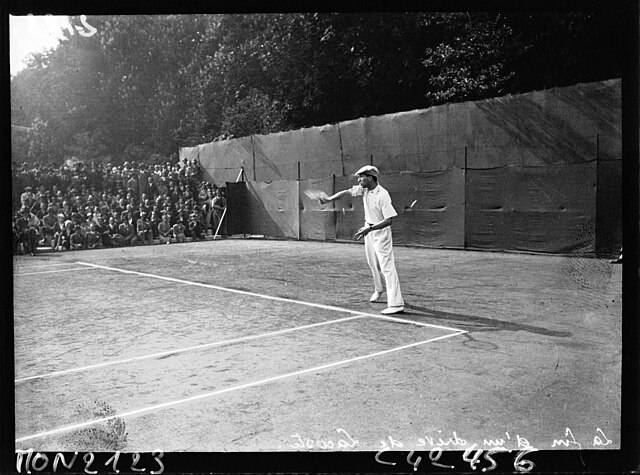
When it comes to the origins of the polo shirt, the most common account I’ve seen is that it was first designed in the 1920s by French tennis legend René Lacoste. At that time, tennis players wore long-sleeved button-down shirts, which were impractical for active movement. Lacoste envisioned something new—a short-sleeved, breathable shirt with a soft collar, buttoned placket, and side vents, all made from a special pique knit fabric.
This shirt was not only functional on the court but also visually elegant. Over time, the design spread to polo players and eventually to general sportswear and casualwear. By the mid-20th century, the term “polo shirt” became the universal name for this versatile garment.
Key Features: What Makes a Polo a Polo?
While styles vary, the defining elements of a polo shirt remain consistent:
- Collar: Usually soft and foldable, sometimes made from ribbed knit.
- Placket: A short button opening (typically two to three buttons).
- Fabric: Traditionally made from pique knit cotton, which has a textured weave that adds breathability and visual depth.
- Fit: Often slightly relaxed but structured, with set-in sleeves and ribbed cuffs.
Evolution: From Cotton to Performance Fabrics
As activewear continues to blend with everyday lifestyle apparel, the polo shirt has undergone a subtle yet impactful transformation. While it was originally crafted from cotton for its breathability and ease of wear, modern polos are increasingly made from functional synthetic fabrics. These materials are specifically designed to support dynamic movement, active routines, and diverse environments, making the classic polo more versatile than ever.
Today’s polo shirts are often equipped with multiple performance features that elevate them far beyond basic wear. Moisture-wicking fabrics help keep the body dry during intense workouts or humid summer days, ensuring comfort throughout active use. For those spending long hours outdoors, especially athletes or hikers, UV protection fabrics have become essential, shielding the skin from harmful sun exposure. To address odor and freshness, many performance polos now incorporate antibacterial finishes, allowing for longer wear with greater hygiene. Some high-performance models even go further—integrating far-infrared fibers that gently stimulate blood circulation and offer light thermal regulation, supporting both activity and recovery.
At FJORATEX, we’ve embraced this evolution by combining these advanced functionalities with our commitment to sustainable innovation. Our polo-targeted fabrics are developed to serve specific needs while maintaining environmental responsibility. For instance, we offer UV protection fabrics optimized for outdoor settings like hiking, golf, and summer travel. Our breathable fabrics are engineered to meet the demands of gym training and activewear polos, ensuring maximum airflow and comfort. In humid or high-exertion conditions, our moisture-wicking fabrics deliver dryness and ease of movement. Most importantly, we continue to develop sustainable activewear fabrics that merge high performance with reduced environmental impact, helping brands align with both function and responsibility.
Why Fabric Matters More Than Ever???
As polo shirts expand beyond their tennis roots into streetwear, uniform wear, and sportswear, the fabric has become the defining factor of the garment’s experience. The right fabric choice determines not only how a polo looks, but how it moves, breathes, and performs over time.
A thoughtfully designed polo must balance comfort, structure, and durability, while also aligning with the intended use case—whether that’s athletic performance, casual weekend wear, or daily uniforms. Functional fabrics give brands the freedom to tailor these shirts to meet different performance goals, while also creating a better wearing experience for the consumer.
At FJORATEX, we believe the modern polo should do more than fit well—it should perform with purpose, adapt to the wearer, and reflect the values of today’s textile innovation.